Showing posts with label 5th Grade. Show all posts

Wednesday, May 24, 2017

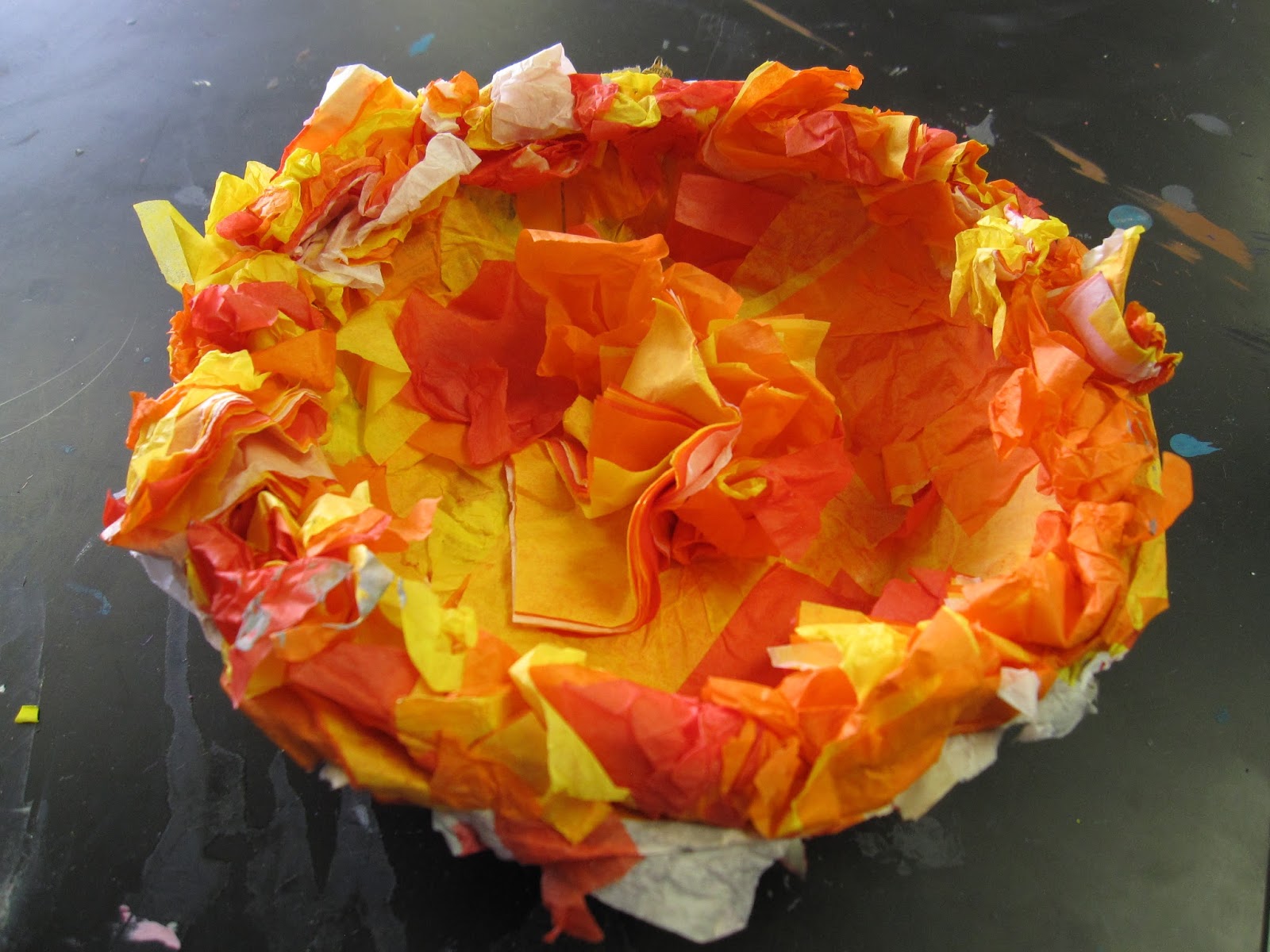
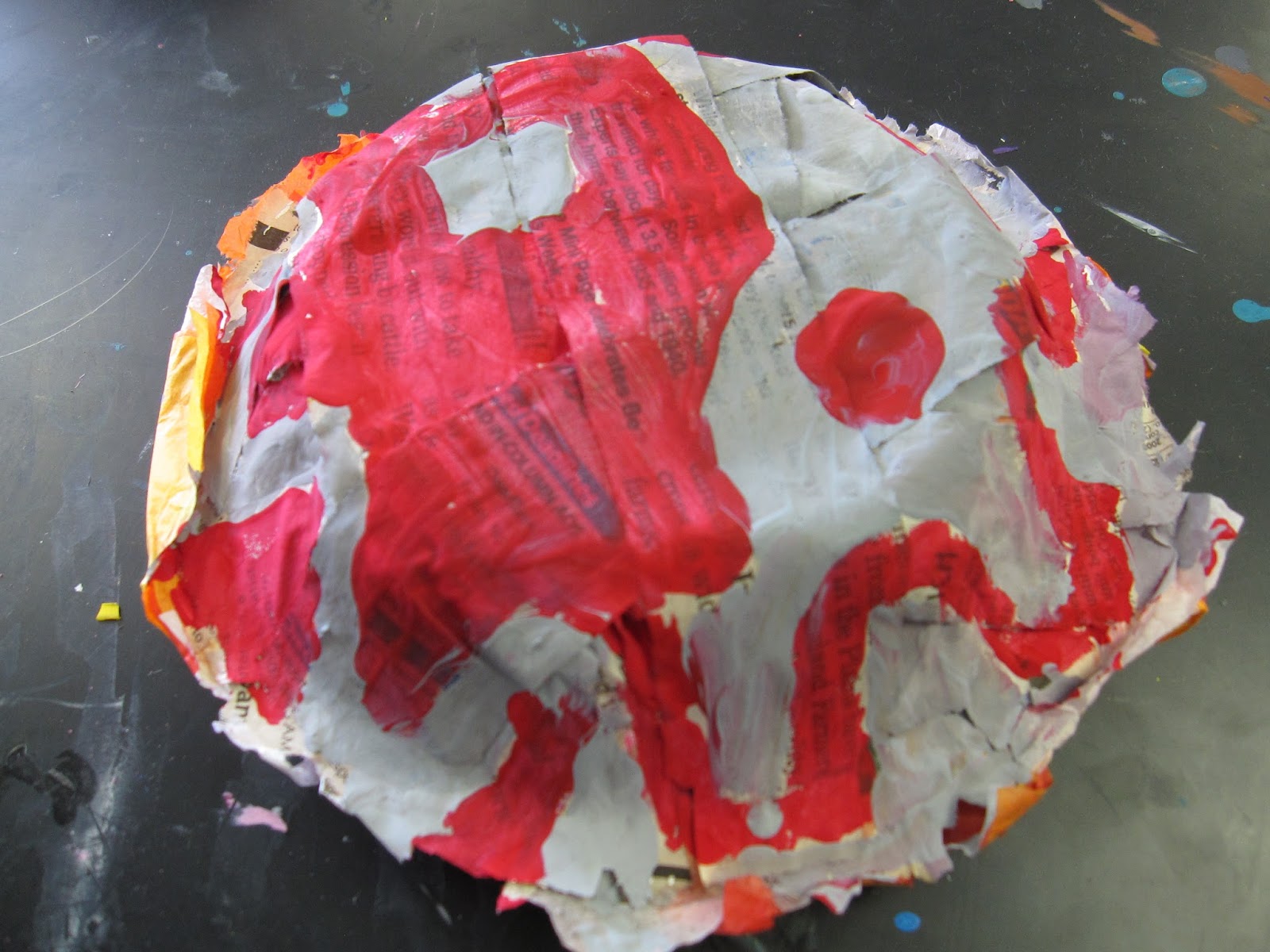
Paper Mache Bowls

Fifth Grade students explored form and 3-dimensional art by creating bowls with paper mache. They colored their bowls with either warm or cool colored tissue paper, and painted the bottom of their bowls with tempera paints.


Wednesday, May 10, 2017

Weaving

Fifth grade students created these weavings on cardboard looms. They strung on the warp strings, and then used both tabby weave and checkerboard weave techniques to create their weavings. Some students even embellished their weavings with beads.
 

Surrealist Inspired Paintings

Fifth graders studied the art of the surrealists, especially Salvador Dali. Students watched a video clip  called "Get Surreal! With Salvador Dali" to help them understand surrealism. Students used surrealist methods to come up with subject matter to create surrealist artwork. Four methods they could use are transformation, dislocation, metamorphosis and juxtaposition.


Friday, March 24, 2017

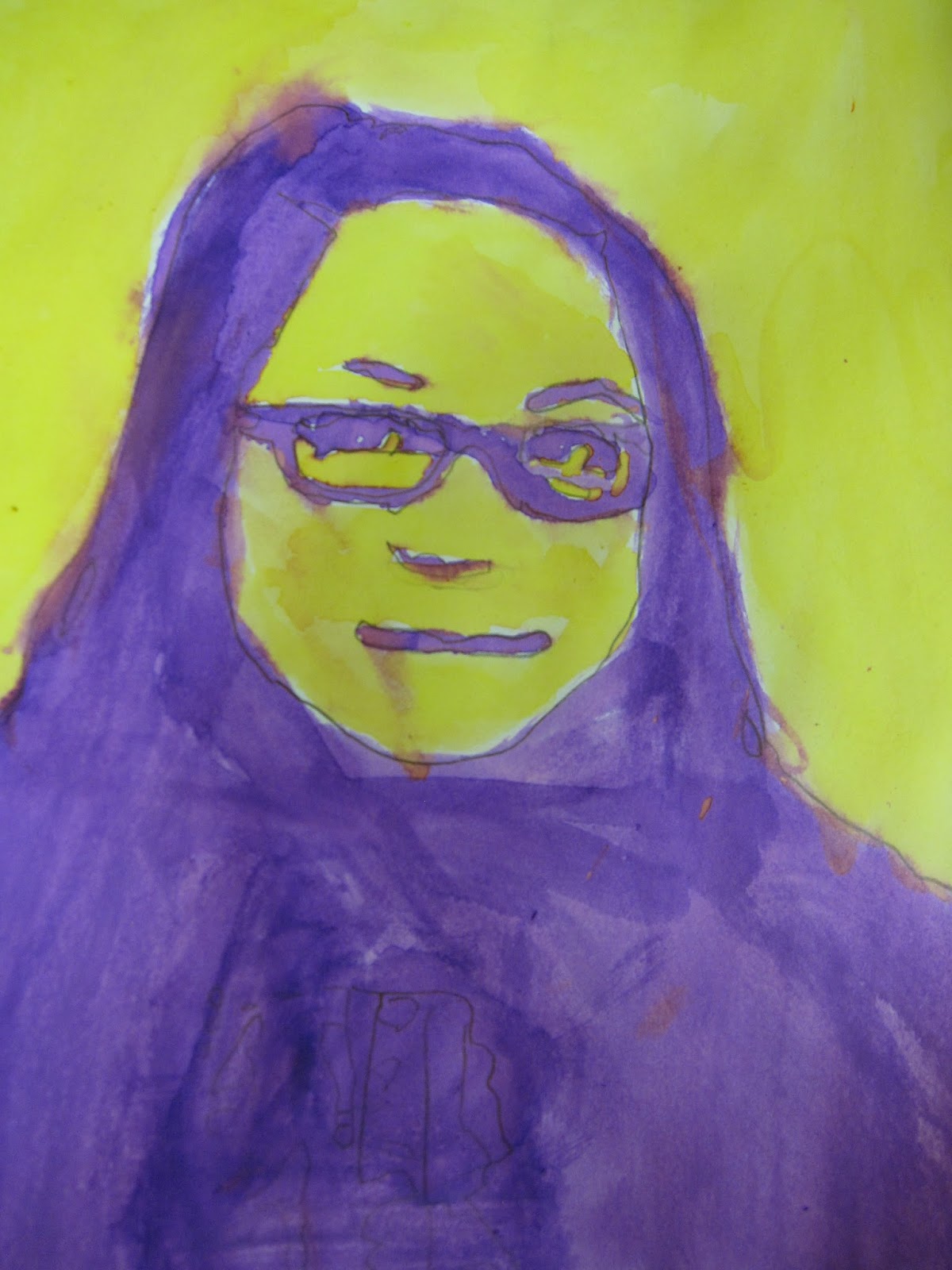
Pop-Art Portraits

Fifth Grade students looked at artwork by Andy Warhol. Warhol is famous for creating pop-art images. Pop Art is short for popular art which means using everyday pictures or images such as photos of celebrities or mundane things like soup cans, and turning them into fancy museum art. Much of this type of artwork was and is used in advertising. Students altered photos of themselves on a website called www.phixr.com, then traced their photo and finally painted their pop-art portraits. They could only use two colors to paint their portrait in this graphic style. They had to choose complimentary colors (colors across each other on the color wheel) or analogous colors (colors next to each other on the color wheel.)


Los estudiantes de quinto grado observaron algunas obras de arte de Andy Warhol. Warhol es famoso por crear imágenes de arte-pop, que significa usar imágenes de la vida diaria, como fotos de celebridades u objetos mundanos como latas de sopa, y convertirlas en arte para museos. Este tipo de arte se ha usado y se sigue usando en la publicidad. Los estudiantes alteraron fotografías de si mismos usando una pagina web llamada www.phixr.com, ellos trazaron su foto y luego pintaron sus retratos al estilo “arte-pop.” Solo pudieron usar dos colores para pintar sus retratos en este estilo gráfico. Tuvieron que escoger colores complementarios (colores que estén directamente de lados opuestos en la rueda de colores) o colores análogos (colores que estén adyacentes en la rueda de colores).

Wednesday, March 1, 2017

Clay Castles

Fifth Grade students demonstrated their ability to roll a slab and use the score and slip method of attaching clay while creating these castles.


Fifth Grade explorations with abstract expressionism


5th graders tried their hand at abstract expressionism, also known as splatter painting, which was invented by Jackson Pollack. Students learned that this style of art is controversial because many people believe it does not take talent. However, after painting in this style, many students had a much more positive view of Jackson Pollack and his style of painting. After all, it is very messy and fun!

Friday, January 20, 2017

Pop Art Portraits

Fifth Grade students looked at artwork by Andy Warhol. Warhol is famous for creating pop-art images. Pop Art is short for popular art which means using everyday pictures or images such as photos of celebrities or mundane things like soup cans, and turning them into fancy museum art. Much of this type of artwork was and is used in advertising. Students altered photos of themselves on a website called www.phixr.com, then traced their photo and finally painted their pop-art portraits. They could only use two colors to paint their portrait in this graphic style. They had to choose complimentary colors (colors across each other on the color wheel) or analogous colors (colors next to each other on the color wheel.)

Los estudiantes de quinto grado observaron algunas obras de arte de Andy Warhol. Warhol es famoso por crear imágenes de arte-pop, que significa usar imágenes de la vida diaria, como fotos de celebridades u objetos mundanos como latas de sopa, y convertirlas en arte para museos. Este tipo de arte se ha usado y se sigue usando en la publicidad. Los estudiantes alteraron fotografías de si mismos usando una pagina web llamada www.phixr.com, ellos trazaron su foto y luego pintaron sus retratos al estilo “arte-pop.” Solo pudieron usar dos colores para pintar sus retratos en este estilo gráfico. Tuvieron que escoger colores complementarios (colores que estén directamente de lados opuestos en la rueda de colores) o colores análogos (colores que estén adyacentes en la rueda de colores).


Friday, December 23, 2016

One Point Perspective

Fifth Grade students learned to draw realistic landscapes and cityscapes using one-point perspective. Students used a ruler to create a horizon line and vanishing point. They learned that objects appear smaller and less detailed the further they are away.  


Los estudiantes de quinto grado aprendieron como dibujar paisajes del campo y de la ciudad usando la perspectiva desde un punto. Los estudiantes usaron una regla para crear un horizonte y un punto de fuga. Ellos aprendieron que los objetos parecen más pequeños y con menos detalles mientras estén más lejos.

Wednesday, November 30, 2016

5th Grade Sumi-E paintings

Fifth Grade students learned that Sumi-E means ink picture. This is a traditional Japanese style of painting. Artists practice their brushstrokes for years before painting actual pictures. The goal of Sumi-E painting is not to paint a realistic representation of an object, but to capture its spirit or soul in the painting. Students practiced three different kinds of brushstrokes and then used those techniques to paint bamboo, a traditional subject of Sumi-E Paintings.


Tuesday, October 25, 2016

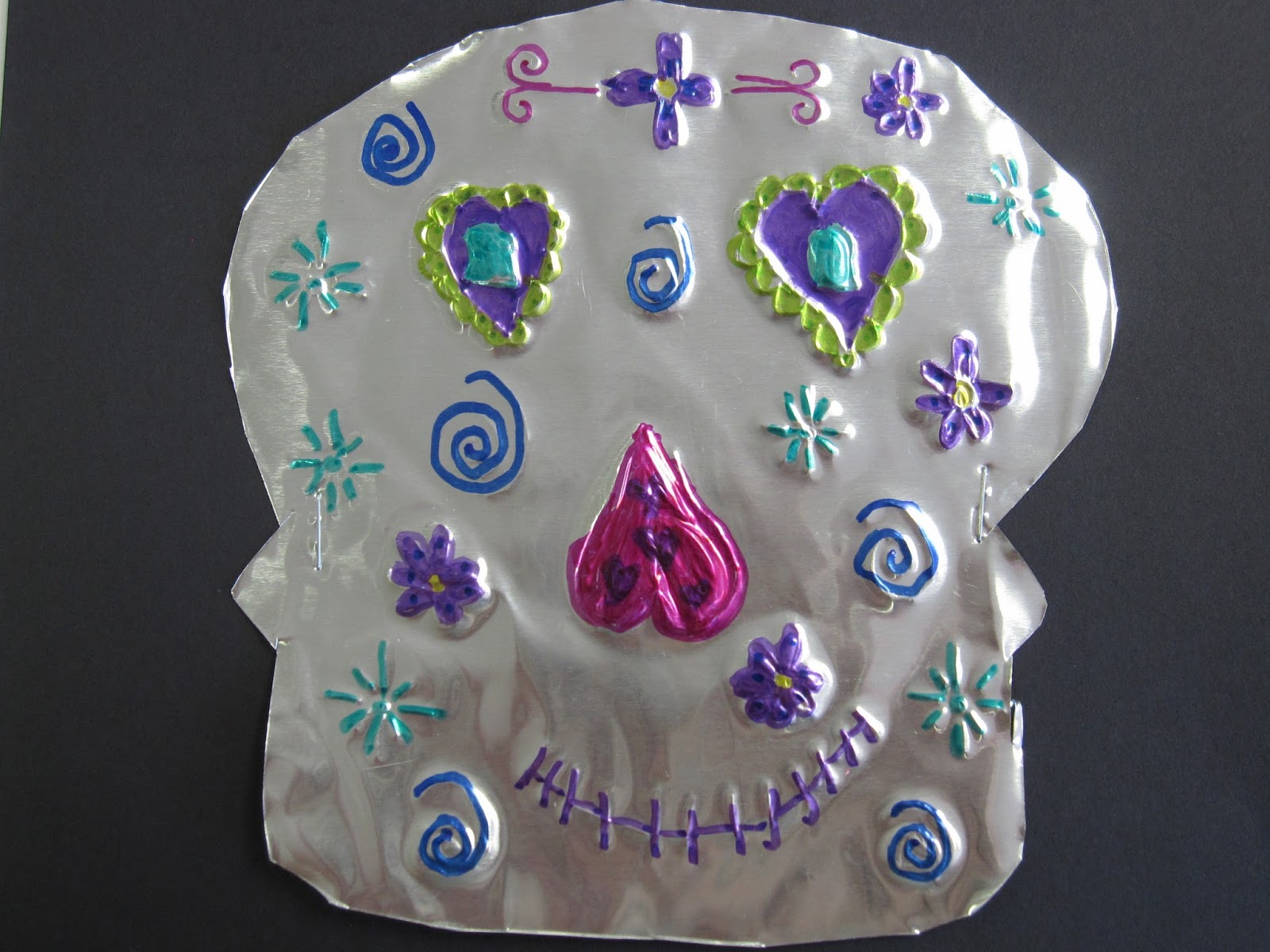
Metal Tooling Masks

5th Graders learned about the art of repousse, also known as metal tooling. Students designed either a Dia de los Muertos mask or an animal mask. They embossed (popped out) parts of their image, which created a relief sculpture.  


Wednesday, October 12, 2016

Creative Transformations


5th grade students learned that graphic designers and graphic artists are artists who make people see everyday items in a new way. They looked at Andy Warhol’s Campbell’s soup cans and discussed how changing the colors on the soup can labels could make people really notice the soup and want to buy it. Students also discovered that there are artists who create new fonts to use on the computer. They chose one letter of the alphabet and transformed that letter to look new and interesting. They used common “systems” that graphic artists use to help them come up with new ways to look at their chosen letter of the alphabet.

Los estudiantes de quinto grado aprendieron que los diseñadores gráficos y artistas gráficos son artistas que hacen que las personas vean objetos cotidianos de una nueva manera. Ellos miraron las latas de sopa Campbell’s de Andy Warhol y hablaron sobre como cambiar el color de las etiquetas sobre las latas podría hacer que las personas realmente se fijaran en esta sopa y la quisieran comprar. Los estudiantes también descubrieron que hay artistas que crean nuevas tipografías para usar en la computadora. Ellos escogieron una letra del alfabeto y la transformaron para que luciera nueva e interesante. Usaron “sistemas” comunes que usan los artistas gráficos para ayudarlos a pensar en nuevas maneras de mirar la letra que escogieron.


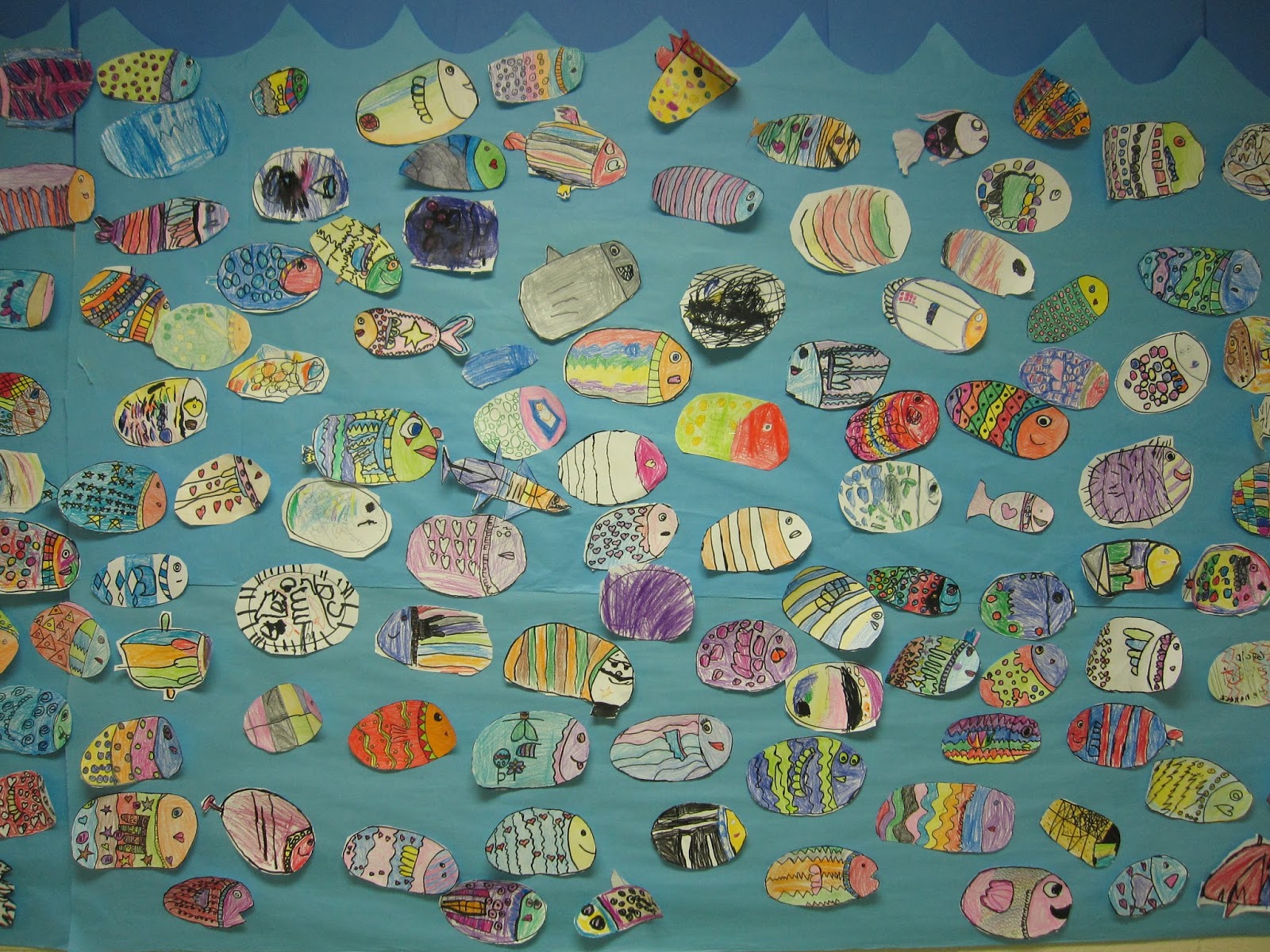
Only One You/Nadie Como Tu

All students in the school read “Only One You” by Linda Kranz, which celebrates how each person is unique. Then students created a unique fish to be part of our “school” of fish!


Thursday, June 9, 2016

Surreal artwork

Fifth grade students studied Salvador Dali and the surrealists. Students discovered that surrealists were trying to shock and almost scare their viewers. Instead of making pretty art, the surrealists loved making strange artwork. They often used dislocation - placing objects where they shouldn't be, juxtaposition- two things, side by side, that don't normally go together,  transformation- turning something familiar into something unusual or strange and metamorphosis- when an object is changed into something else. Students created a surreal artwork and wrote how their artwork is surreal.


Wednesday, May 11, 2016

Metal Tooling Masks

5th Graders learned about the art of repousse, also known as metal tooling. Students designed symmetrical masks and embossed them on to pieces of metal. They colored them with permanent markers and used beads, twine and raffia for embellishment. Students discussed the purpose of masks around the world. Many of their masks were inspired by masks from Africa.


Friday, March 25, 2016

Pop Art Self-Portraits

Fifth Grade students looked at artwork by Andy Warhol. Warhol is famous for creating pop-art images. Pop Art is short for popular art which means using everyday pictures or images such as photos of celebrities or mundane things like soup cans, and turning them into fancy museum art. Much of this type of artwork was and is used in advertising. Students altered photos of themselves on a website called www.phixr.com, then traced their photo and finally painted their pop-art portraits. They could only use two colors to paint their portrait in this graphic style. They had to choose complimentary colors (colors across each other on the color wheel) or analogous colors (colors next to each other on the color wheel.)

Los estudiantes de quinto grado observaron algunas obras de arte de Andy Warhol. Warhol es famoso por crear imágenes de arte-pop, que significa usar imágenes de la vida diaria, como fotos de celebridades u objetos mundanos como latas de sopa, y convertirlas en arte para museos. Este tipo de arte se ha usado y se sigue usando en la publicidad. Los estudiantes alteraron fotografías de si mismos usando una pagina web llamada www.phixr.com, ellos trazaron su foto y luego pintaron sus retratos al estilo “arte-pop.” Solo pudieron usar dos colores para pintar sus retratos en este estilo gráfico. Tuvieron que escoger colores complementarios (colores que estén directamente de lados opuestos en la rueda de colores) o colores análogos (colores que estén adyacentes en la rueda de colores).